
 By
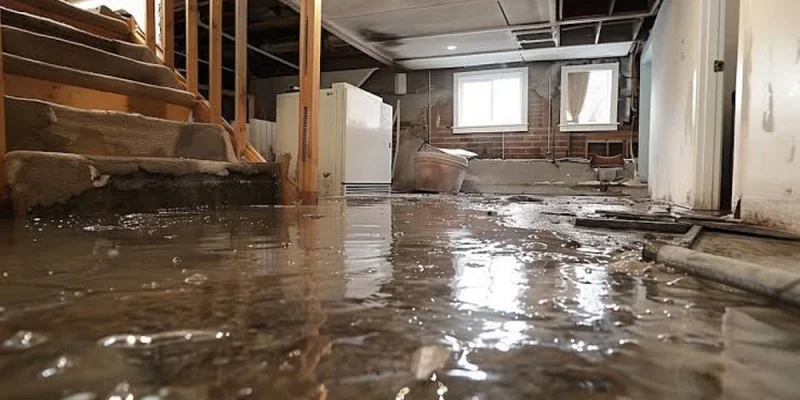
A flooded basement can look the same whatever caused it: a few inches of murky water, a soggy box of holiday decorations, a furnace sitting in a puddle. But anyone who has worked in Quincy water damage restoration will tell you the source matters as much as the depth. Water that came up through the floor drain needs different handling than water that seeped through a foundation crack or poured in over a window well.
Coastal neighborhoods have more ways for water to get in than inland towns. Nor’easters stack tides against seawalls, heavy rain saturates soil that’s already close to the water table, and older sewer systems can’t keep up with sudden storms. Late winter adds another source when snowbanks melt against foundations.
Knowing which route the water took tells you what’s been contaminated, what can be saved and what has to change to keep it from happening again.
The Usual Routes Water Takes
Overland flooding and storm surge. When tide and wind push seawater inland, or heavy rain flows across the ground faster than it can soak in, water reaches the house from outside at ground level. It finds bulkhead doors, basement windows, dryer vents and gaps where utility lines enter. Saltwater makes it worse: it corrodes metal parts in furnaces, water heaters and electrical panels faster than fresh water, and it leaves salt behind in concrete and masonry that keeps pulling in moisture long after the floor looks dry.
Groundwater pressure. After days of rain, the soil around a foundation fills up. That water presses against basement walls and slabs, a force called hydrostatic pressure, and pushes through cracks, the joint where the wall meets the floor and pores in older concrete. Water like this usually shows up slowly and evenly instead of as a sudden flood.
Sewer backups. In heavy storms, municipal lines can fill faster than they drain. When that happens, water can flow backward through the lowest opening in the house, usually a floor drain or basement toilet. This is the most hazardous kind of basement water because it carries sewage.
Window wells and downspouts. A clogged window well can fill like a bucket until the glass leaks or breaks. Downspouts that drain right next to the foundation drop hundreds of gallons in one storm right where the basement wall is weakest.
Snowmelt. Snow piled against the house from plowing or shoveling melts on sunny days and refreezes at night. Each thaw soaks the soil next to the foundation, and frozen ground farther out keeps that water from draining away.
Why the Source Changes Everything
Restorers sort water into three categories by how contaminated it is. Clean water from a supply line is the lowest risk. Gray water carries some contaminants, like washing machine discharge or groundwater that has picked up soil and debris. Black water includes sewage and outside floodwater, which can carry bacteria, fuel, fertilizer and anything else it passed over on the way in.
That category decides what can stay. Drywall, carpet, insulation and particleboard furniture touched by black water usually have to be thrown out, because porous materials can’t be reliably cleaned. Concrete, sealed wood and hard furniture can often be cleaned and disinfected. Seawater adds another step: walls and floors may need to be rinsed with fresh water to remove salt before they’re dried.
Going Back Down Safely
A flooded basement has hazards beyond the water itself. Before anyone goes down the stairs:
- Make sure power to the basement is off at the main panel, and if the panel itself is in the water, call the utility or an electrician.
- If you smell gas, leave the house and call the gas company from outside.
- Wear rubber boots and gloves, and assume the water is contaminated until you know where it came from.
- Take photos and video of the water level, damaged items and any high-water marks on the walls before you move anything.
- Don’t run a fuel-burning generator or pump indoors or near open basement windows.
- Pump the water out gradually if the ground outside is still soaked, because draining too fast can let groundwater pressure crack the walls.
That last point surprises many homeowners. When the soil around a foundation is full, the water inside the basement is actually helping hold the walls in place. Pumping out a few feet a day lets the pressure balance out.
Insurance Doesn’t Always Follow the Water
Standard homeowners policies usually exclude flood damage from surface water and storm surge. Many also exclude sewer backups unless the owner added a separate endorsement for them. Groundwater seepage is often excluded under both kinds of policy.
Flood insurance through the National Flood Insurance Program covers basements, but only in part. FEMA’s fact sheet on basement flood coverage explains that it covers listed building items in a basement and cleanup, such as furnaces, water heaters and electrical outlets, and they must be connected to power or installed where they work. Finished walls, finished flooring and personal belongings like couches and televisions are generally not covered.
Reading your policy before storm season costs nothing and can change how you use the space. Many homeowners in flood-prone areas keep basement finishes simple and store valuables on upper floors for this reason.
Making the Next Storm Less Damaging
Some basements will always face some risk, but the damage can be made much smaller. A backwater valve on the main sewer line stops backflow from the street. A sump pump with a battery backup keeps running when storms knock out power, which is exactly when it’s needed most. Downspout extensions that discharge several feet from the house, and soil graded to slope away from the foundation, cut down on groundwater pressure against the walls.
Raising the furnace, water heater and electrical panel above the expected flood level is a bigger project, but it protects the equipment that’s most expensive to replace and slowest to get running again. Window well covers, sealed utility openings and bulkhead doors with good gaskets close off the smaller routes.
After any flood, the goal is a basement that’s completely dry, not one that just looks dry. Concrete and framing can hold moisture for weeks, and moisture readings show when it’s safe to rebuild far more reliably than a calendar does.





Comments