
 By
By 
Energy costs continue to rise, and many homeowners are starting to question whether their current heating and cooling systems are truly efficient. Traditional systems like furnaces and older air conditioners often consume more energy than necessary, leading to higher utility bills and inconsistent comfort levels throughout the year.
This is where heat pumps come into focus. Known for their energy efficiency and versatility, heat pumps offer both heating and cooling in one system. However, achieving the full benefits depends largely on proper installation and smart planning. Understanding how these systems work and how to install them correctly can make a significant difference in long-term savings.
What Is a Heat Pump and How Does It Work?
A heat pump is an energy-efficient system that transfers heat rather than generating it. During colder months, it extracts heat from the outside air and moves it indoors. In warmer months, it works in reverse, removing heat from inside your home to keep it cool.
This process uses significantly less energy compared to traditional heating systems, making heat pump installation a practical choice for modern households.
Types of Heat Pumps
- ● Air-source heat pumps: The most common option, suitable for moderate climates
- ● Ground-source (geothermal) systems: Highly efficient but more expensive to install
- ● Ductless mini-split systems: Ideal for homes without existing ductwork
Each type offers unique benefits depending on your home layout and energy needs.
Key Benefits of Installing a Heat Pump
Heat pumps are gaining popularity for several reasons beyond just energy savings.
- ● Lower energy consumption: Uses less electricity than conventional systems
- ● Reduced utility bills: Efficient operation translates into long-term savings
- ● Year-round comfort: One system handles both heating and cooling
- ● Eco-friendly performance: Produces fewer carbon emissions
Long-Term Cost Savings vs Upfront Investment
While the initial installation cost may seem higher than traditional systems, the long-term savings often outweigh the upfront expense. Over time, reduced energy usage can significantly lower overall household costs.
Factors That Affect Heat Pump Efficiency
Not all heat pump systems perform equally. Several factors influence how efficiently your system will operate.
- ● Proper system sizing: An incorrectly sized unit can lead to energy waste
- ● Home insulation: Poor insulation reduces overall efficiency
- ● Climate conditions: Performance may vary based on regional temperatures
- ● Installation quality: Incorrect setup can limit system performance
Common Mistakes That Reduce Efficiency
- Installing a unit that is too large or too small
- Poor placement affecting airflow
- Incorrect refrigerant levels or duct connections
Avoiding these issues is essential to maximise energy savings.
Smart Tips for a Successful Installation
Installing a heat pump requires careful planning and informed decision-making. Taking the right steps early on can prevent costly issues later.
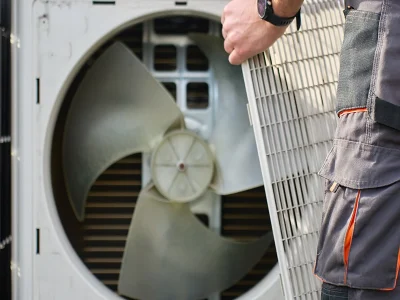
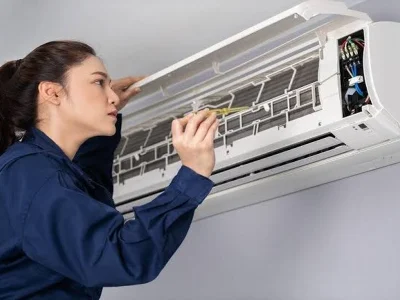
When working with professionals experienced in heat pump installation, homeowners can ensure that the system is properly sized, positioned, and optimised for maximum efficiency.
Key Tips to Follow
- ● Assess your home’s energy needs: Conduct a basic energy evaluation before installation
- ● Choose the right system size: Avoid oversizing or undersizing the unit
- ● Check insulation and sealing: Improve insulation to enhance efficiency
- ● Consider system placement: Ensure proper airflow and accessibility
- ● Install during off-peak seasons: This may reduce installation costs and delays
Proper installation is not just about fitting the system-it is about creating a setup that works efficiently for years to come.
Cost Considerations and Energy Savings
The cost of installing a heat pump can vary depending on several factors, including system type, home size, and installation complexity.
While upfront costs may be higher than traditional systems, heat pumps offer substantial long-term savings. Reduced energy consumption leads to lower monthly bills, making the investment worthwhile over time.
Additionally, many regions offer incentives or rebates for energy-efficient upgrades, further improving affordability.
Heat Pump vs Traditional HVAC Systems
Understanding how heat pumps compare to traditional systems can help homeowners make informed decisions.
- ● Efficiency: Heat pumps are generally more energy-efficient
- ● Functionality: Provides both heating and cooling in one unit
- ● Operating costs: Lower over time due to reduced energy use
- ● Maintenance: Typically requires less frequent servicing
Traditional systems may still be suitable in extremely cold climates, but for most households, heat pumps offer a more versatile and cost-effective solution.
Conclusion
Heat pumps represent a modern, energy-efficient approach to home heating and cooling. By transferring heat rather than generating it, they reduce energy consumption and provide consistent comfort throughout the year.
However, the true benefits depend on proper installation and thoughtful planning. From choosing the right system size to ensuring optimal placement, every step plays a role in overall performance. Homeowners who invest in a well-installed heat pump system can expect lower energy bills, improved comfort, and a more sustainable home environment.






Comments