
 By
A garage door opener may seem like a simple piece of technology, but the right choice can transform your daily routine, boost security, and even enhance property value. With a dizzying array of options on the market, narrowing down the perfect fit requires more than guesswork. It starts by understanding your property’s unique needs.
Understanding Your Property’s Garage Door Needs
Selecting an opener starts with one key question: What demands will it face? A single-family home, a bustling commercial site, and a heavy-duty industrial facility all bring different requirements to the table.
Assessing Residential, Commercial, and Industrial Requirements
Residential garages are typically quieter and see less frequent use compared to commercial settings, where doors might open and close dozens of times daily. Industrial environments, meanwhile, often demand robust openers capable of lifting heavier, oversized doors, sometimes in harsh conditions.
How Door Size, Weight, and Frequency of Use Affect Opener Choice
The larger and heavier the door, the more powerful the opener needs to be. For example, an eight-foot insulated steel door for a warehouse will require a different motor strength than a lightweight aluminum door on a suburban garage. The frequency of use also matters; a chain drive might suffice for occasional residential use, but commercial doors often call for heavy-duty jackshaft or gear-driven models.
Case Study: Matching a Residential Garage Door Opener to Family Lifestyle
Consider a busy family juggling school runs and weekend sports. They benefit from a quiet, reliable belt drive opener with integrated safety sensors to protect curious kids and pets. The added smart home compatibility lets parents check or operate the door remotely, offering peace of mind when routines get hectic.
Key Features to Consider in Garage Door Openers
It is not just about horsepower. The best garage door opener combines the right drive system, safety features, and compatibility with modern tech.
Power Types: Chain Drive, Belt Drive, Screw Drive, and Jackshaft Explained
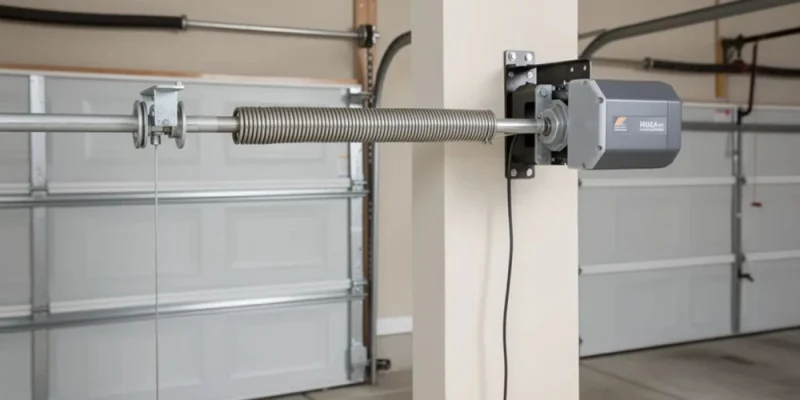
Chain drives are affordable workhorses, but they can be noisy. Belt drives operate quietly and are ideal for attached garages. Screw drives require less maintenance but can struggle in extreme temperatures. Jackshaft models mount beside the door, freeing up ceiling space and handling heavier doors.
| Drive Type | Noise Level | Pros | Cons |
| ————– | ———– | —————————- | ————————- |
| Chain Drive | High | Durable, budget-friendly | Noisy |
| Belt Drive | Low | Quiet, smooth operation | Slightly more expensive |
| Screw Drive | Medium | Fewer moving parts | Sensitive to temperatures |
| Jackshaft | Low | Space-saving, powerful | Highest cost |
Safety and Security Features: Sensors, Auto-Reverse, and Rolling Codes
Modern openers are equipped with infrared sensors to prevent accidents, auto-reverse mechanisms, and rolling code technology that thwarts would-be intruders by changing the access code every time.
Smart Technology Integration: Benefits and Considerations
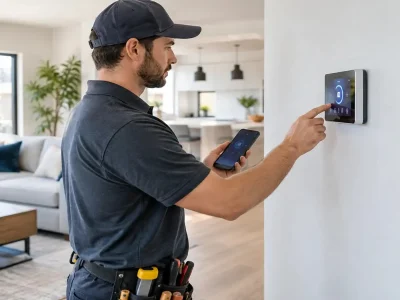
Smart openers can be operated via smartphone apps, sending alerts if the door is left open or allowing remote access for deliveries. Compatibility with your existing smart home system is worth checking before you buy.
Case Study: Upgrading an Older Commercial Garage Door with Modern Safety Features
A small business with legacy equipment retrofits its opener with auto-reverse sensors and rolling codes, drastically reducing accident risk and unauthorized entry, while qualifying for lower insurance premiums.
Evaluating Installation and Maintenance Factors
Choosing an opener is not just about buying hardware; it is also about who installs and maintains it.
Importance of Professional Installation vs. DIY
While DIY kits exist, professional installation ensures compliance with local codes, optimizes performance, and prevents warranty issues.
Routine Maintenance Tips to Prolong Opener Life
Keep tracks clear of debris, test safety sensors monthly, and schedule annual tune-ups. Lubricate moving parts and check the balance of the door to reduce strain on the opener’s motor.
Service and Repair Support: What to Expect from Providers
Reliable providers offer responsive support, access to certified parts, and emergency services, essential for businesses or multi-unit residences.
Case Study: How Preventive Maintenance Saved Costs for an Industrial Facility
An industrial facility invested in an annual maintenance program, catching wear and tear early. This proactive approach prevented costly, unplanned downtime and major repairs.
Budgeting and Cost Analysis
Sticker price is only part of the picture; durability and energy efficiency matter in the long run.
Initial Purchase Price vs. Long-Term Operating Costs
Entry-level models start around $150, while advanced smart openers or heavy-duty systems exceed $500. Energy-efficient motors and smart features might cost more upfront but often pay for themselves through lower power bills and fewer repairs.
Financing Options and Warranty Comparisons
Some suppliers offer payment plans or financing, making higher-end options accessible. Extended warranties can add years of peace of mind for minimal extra cost.
Case Study: Cost-Benefit Analysis of Investing in a Premium Opener for a Residential Property
A homeowner compared a budget chain drive with a premium belt drive featuring a lifetime warranty and battery backup. Over five years, lower maintenance and quieter operation justified the higher initial price.
Selecting the Right Brand and Model
Brand matters, reputation, support, and available accessories should all weigh into your decision.
Overview of Trusted Brands and Their Specialties
Leading brands often have specialties, such as ultra-quiet operation, advanced security, or commercial-grade durability. Researching their strengths can help match your needs.
How to Use Reviews and Testimonials to Make an Informed Decision
Look for feedback from users with similar requirements, especially in terms of reliability and after-sales service.
Case Study: Door Doctor’s Role in Guiding a Commercial Client’s Opener Selection
A commercial client, overwhelmed by technical choices, found clarity with comprehensive advice from Door Doctor. Their expertise in matching opener models to specific property needs, plus certified installation, led to a smooth upgrade and hassle-free operation.
Finalizing Your Choice and Next Steps
Once you have picked your opener, planning the installation is next.
Scheduling Installation and Preparing Your Property
Clear the area around your garage door and confirm scheduling with your installer.
What to Expect During and After Installation
Expect efficient service from certified professionals. After installation, basic operation and safety features should be demonstrated for your peace of mind.
Post-Installation Support and Troubleshooting
Quality providers offer troubleshooting resources and responsive support, ensuring any teething issues are quickly resolved.
Case Study: Seamless Installation Experience with Certified Experts
A homeowner praised their certified installation team for friendly service and a detailed walkthrough of new safety features, making future maintenance easy to manage.
Additional Resources and Support
Finding help when you need it is critical.
Where to Find Emergency Repair Services
Many top providers offer 24/7 emergency repair for stuck or malfunctioning doors.
Accessing Design Centers and Customization Options
A visit to a design center can help you visualize door and opener options to match your style and functional needs.
How to Get Ongoing Professional Support from Door Doctor
Ongoing support and preventive maintenance programs are just a call away, with resources like Door Doctor offering expert guidance every step of the way.
Choosing a garage door opener is not just a purchase, it is a long-term investment in your property’s safety, convenience, and value. With the right approach, you can ensure reliable performance for years to come.









Comments