
 By
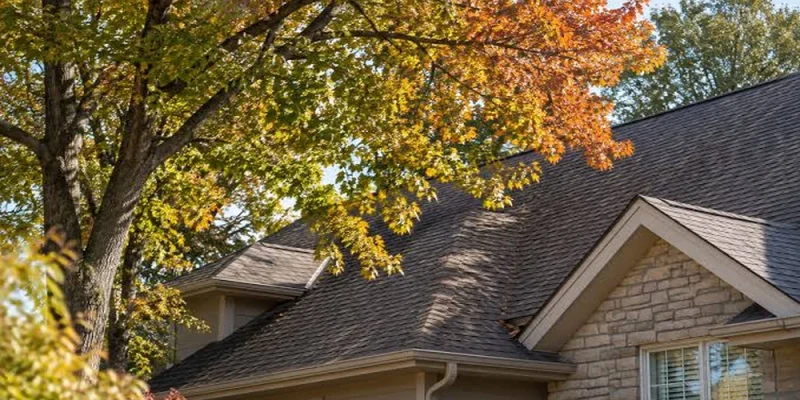
Late fall on a wooded lot has a familiar look. Pine needles pack into the valleys, oak leaves stack against the chimney, and the north slope of the roof stays damp long after the driveway dries. Most of that looks harmless from the ground. Over several seasons, though, the trees around a house can take years off a shingle roof.
Roofers who work wooded lots north of the metro see this pattern all the time. During an inspection, a Forest Lake roofing company will often head straight for the valleys and the shaded slopes, because that is where tree debris and lingering moisture tend to cause damage first. Knowing what those inspectors look for helps homeowners spot trouble long before a stain shows up on a ceiling.
The good news is that trees and roofs can coexist. It mostly comes down to understanding how each kind of tree affects the roof below it, and acting before small problems settle in.
Each Tree Leaves a Different Mark
Not every tree treats a roof the same way. The species overhead shapes the kind of maintenance the roof will need.
Pines and Spruces
Needles are small, but they knit together into dense mats. Those mats hold water against shingles, clog gutters faster than leaves, and slip under the edges of shingles in valleys. Pine sap can also stick granules together and stain light colored roofs.
Oaks and Maples
Broad leaves arrive in bulk over a few weeks in autumn. Wet leaves pile against chimneys, skylights and dormer walls, which are exactly the spots that rely on flashing to stay watertight. When leaves hold moisture there through a freeze, the flashing joints take the strain.
Birch, Aspen and Cottonwood
These fast growing trees shed small twigs, seeds and catkins all season. They also tend to have weaker wood, so they drop more limbs in wind and heavy snow. A roof under a mature cottonwood sees debris nearly every month of the year.
Shade Changes How a Roof Ages
Sun is hard on shingles, but steady shade causes its own problems. A roof that rarely dries out becomes a good home for algae, lichen and moss.
Dark streaks from algae are mostly cosmetic. Moss is different. It grows into the gaps between shingles, lifts their edges and holds water against the roof deck. Lichen bonds tightly to the surface and can loosen granules when removed carelessly.
Shade also slows snowmelt. On a winter afternoon, a sunny slope may clear while the shaded slope stays loaded, which creates uneven melting and refreezing at the eaves. That cycle is one of the main ingredients of ice dams.
Signs the Trees Are Winning
A quick look from the yard, with binoculars if needed, often tells you whether tree debris is starting to cause damage. Watch for these clues.
- Gutters that overflow during ordinary rain, even after a recent cleaning
- Green or gray patches of moss on the shaded side of the roof
- Shingles with scraped or bare spots under branches that move in the wind
- Granules collecting at downspout outlets in larger amounts than usual
- Small branches or debris sitting in valleys after every storm
- Water stains in the attic near valleys or around the chimney
Any one of these is worth a closer look. Several together usually mean the roof is wearing faster than its age suggests.
Branches That Touch the Roof
Limbs that brush the shingles cause more harm than most people expect. Each gust drags bark across the surface and wears away the protective granules. Once those are gone, sunlight breaks down the asphalt underneath much faster.
Overhanging branches also offer an easy path for squirrels and raccoons. These animals chew at soffits, roof vents and the edges of shingles to get into attics, and the repairs can cost more than the pruning would have.
Then there is the storm risk. Heavy, wet snow and summer thunderstorms both bring down limbs. A single large branch can puncture the deck, crack rafters and open the roof to water within minutes.
Pruning Without Hurting the Tree
The usual rule of thumb is to keep branches about ten feet away from the roof surface. That gap lets the roof dry, reduces debris and removes the bridge for wildlife.
How the cuts are made matters just as much as where. Topping a tree or cutting branches flush with the trunk can weaken it and invite decay. Penn State Extension offers a useful overview of when it makes sense to call an arborist rather than handling tree work yourself, especially when ladders or large limbs are involved.
For homeowners who want a qualified professional, the International Society of Arboriculture runs a free search tool for certified arborists by location. A certified arborist can also judge whether a leaning or hollow tree near the house should come down entirely.
Late fall and winter are good times for this work on many species. The leaves are gone, the structure of the tree is easy to see, and pruning wounds are less likely to attract insects.
Choosing Roof Materials for a Wooded Lot
When a roof does need replacing, the trees around the house should shape the decisions. Some shingle lines include copper or zinc granules that slow algae growth on shaded slopes. Metal roofing sheds needles and snow more easily and resists moss, though it can be dented by falling limbs.
Valleys deserve special attention on a tree covered lot. Many installers prefer open metal valleys there, because debris washes through them more freely than it does through woven shingle valleys. Gutter guards can help too, but needle heavy lots need fine mesh styles, since coarse screens let pine needles slip right through.
Living With the Trees
Mature trees are part of what makes a wooded neighborhood worth living in. They cool the house in summer, block winter wind and add real value to a property. Removing them all is rarely the answer.
What works is a steady routine. Clear the valleys and gutters after leaf drop, keep branches trimmed back from the shingles, and take a close look at the shaded slopes each spring. A roof that gets that kind of attention can last close to its full rated life, even with a forest standing over it.





Comments