
 By
By 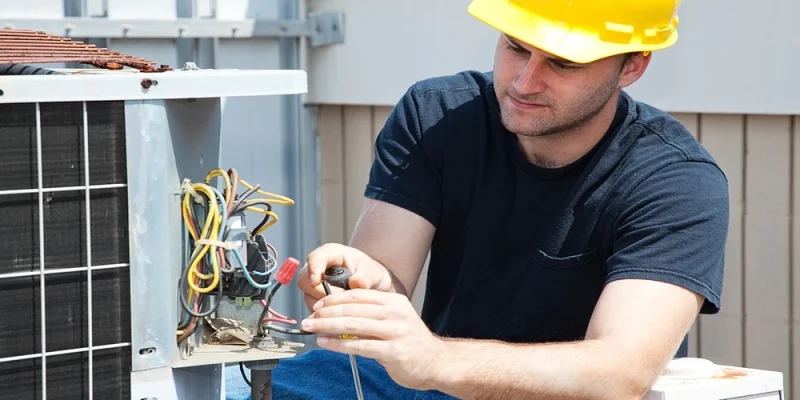
A commercial HVAC system is one of the most valuable investments a business can make. It keeps employees comfortable, protects equipment, and creates a welcoming environment for customers. However, replacing a commercial heating and cooling system can be expensive, making proper maintenance essential for maximizing its lifespan.
Whether you own a retail store, office building, restaurant, or warehouse, understanding how to care for your HVAC equipment can help reduce repair costs, improve energy efficiency, and minimize unexpected downtime. Working with a trusted provider for commercial HVAC service Milton, DE an excellent first step toward protecting your investment and keeping your business running smoothly.
Why Commercial HVAC Maintenance Matters
Commercial HVAC systems often operate for long hours, sometimes around the clock. This constant workload naturally causes wear and tear on components such as compressors, fans, belts, and filters.
Routine maintenance offers several important benefits:
- Extends equipment lifespan
- Reduces unexpected breakdowns
- Improves indoor air quality
- Lowers energy consumption
- Helps maintain consistent indoor temperatures
- Identifies minor issues before they become major repairs
Ignoring routine service may save money in the short term, but it often leads to higher repair bills and shorter equipment life.
Replace Air Filters Regularly
Air filters are one of the simplest yet most important components of any HVAC system.
Dirty filters restrict airflow, forcing the system to work harder to heat or cool the building. This added strain increases energy use while placing unnecessary stress on motors and other mechanical parts.
Depending on your building and industry, filters may need replacement every one to three months. Facilities with high foot traffic, manufacturing processes, or excessive dust may require more frequent inspections.
Clean filters also contribute to healthier indoor air for employees and customers.
Schedule Preventive Maintenance
One of the best ways to extend the life of commercial HVAC systems is through preventive maintenance.
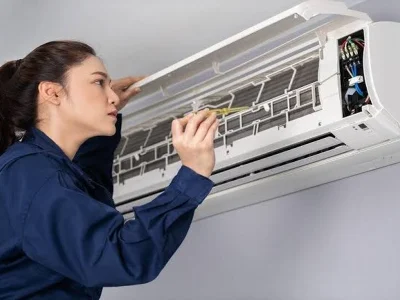
Professional inspections typically include checking refrigerant levels, inspecting electrical connections, cleaning coils, lubricating moving parts, testing safety controls, and verifying system performance.
Routine service appointments help detect small problems before they become expensive emergencies. For example, identifying a worn belt or loose electrical connection during a maintenance visit can prevent a complete system failure during peak operating seasons.
Many businesses schedule maintenance twice each year once before summer cooling demands and again before winter heating season.
Keep Outdoor Units Clean
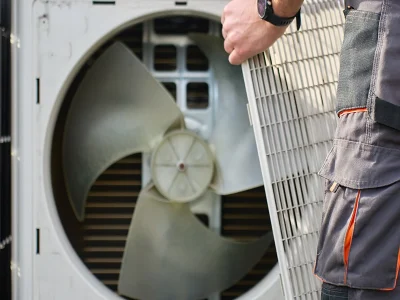
Outdoor condensers are constantly exposed to weather, dirt, leaves, pollen, and debris.
When airflow around the condenser becomes restricted, the system must work harder to release heat. This increases operating temperatures and reduces efficiency.
Business owners should regularly inspect outdoor units and ensure there is adequate clearance around the equipment. Keep landscaping trimmed, remove debris, and avoid stacking materials near HVAC components.
A clean outdoor unit promotes better airflow and helps prevent unnecessary strain on the system.
Don’t Ignore Small Warning Signs
Many costly HVAC failures begin with minor issues that are easy to overlook.
Watch for warning signs such as:
- Unusual noises
- Uneven heating or cooling
- Rising utility bills
- Weak airflow
- Frequent cycling
- Strange odors
- Excess humidity indoors
Addressing these symptoms early often prevents more extensive repairs and extends the overall life of the equipment.
Optimize Your Thermostat Settings
Modern programmable and smart thermostats help commercial buildings operate more efficiently.
Rather than maintaining the same temperature around the clock, businesses can schedule setbacks during evenings, weekends, or periods of low occupancy.
Reducing unnecessary runtime lowers wear on HVAC components while also decreasing energy costs.
For larger facilities, zoning systems can provide even greater control by conditioning only occupied areas when needed.
Protect Your HVAC System From Overworking
Overworked systems experience faster wear and reduced reliability.
Several factors contribute to excessive strain, including poor insulation, air leaks, blocked vents, and oversized or undersized equipment.
Business owners can reduce system workload by:
- Sealing gaps around windows and doors
- Keeping supply and return vents unobstructed
- Using window coverings to reduce heat gain
- Maintaining proper insulation
- Avoiding drastic thermostat adjustments
These simple improvements allow the HVAC system to operate more efficiently throughout the year.
Invest in Professional Inspections
Even if your HVAC system appears to be working properly, hidden issues may be developing behind the scenes.
Professional technicians have specialized tools to evaluate airflow, refrigerant performance, electrical systems, and equipment efficiency. Regular inspections provide peace of mind and help identify aging components before they fail.
If your business relies heavily on climate control, partnering with experienced technicians for ongoing maintenance can significantly improve long-term reliability and reduce operating costs.
Know When Repairs Are No Longer Enough
Even well-maintained commercial HVAC systems eventually reach the end of their service life.
If repairs become increasingly frequent, energy bills continue to climb, or parts are becoming difficult to source, replacement may offer better long-term value than continued repairs.
A qualified HVAC professional can evaluate the condition of your equipment and recommend whether repair or replacement is the more cost-effective solution based on its age, efficiency, and overall performance.
Conclusion
Extending the life of commercial HVAC systems doesn’t require complicated strategies-it requires consistency. Regular maintenance, clean filters, prompt repairs, and professional inspections all work together to improve efficiency and prevent costly breakdowns.
By taking a proactive approach, business owners can maximize the return on their HVAC investment while creating a more comfortable environment for employees and customers. A well-maintained system operates more reliably, consumes less energy, and continues delivering dependable performance for years to come.




Comments