
 By
By 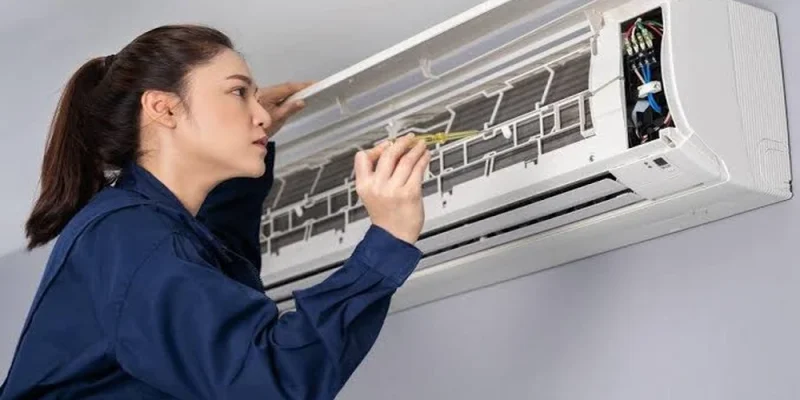
An air conditioner can often show warning signs before it stops working completely. Strange noises, weak airflow, warm air or unexpected leaks may point to a developing problem. Acting early can help protect the system, maintain indoor comfort and reduce the chance of a minor fault becoming a more serious repair.
When cooling performance suddenly drops, arranging fast AC repair can help prevent further strain on key components. Prompt attention is particularly important when the system is making unusual sounds, cycling constantly or failing to cool the home evenly. A professional can identify the underlying issue and recommend an appropriate solution.
Your Air Conditioner Is Blowing Warm Air
Warm or barely cool air coming from the vents is one of the clearest signs that something may be wrong. If the thermostat is set correctly but the room temperature continues to rise, the system may have an issue that requires professional attention. Fast AC repair can help restore proper cooling before the problem becomes more serious.
Possible causes include restricted airflow, electrical faults or problems with the cooling components. Before contacting a technician, check that the thermostat is set to cooling mode and that the selected temperature is below the current room temperature. If the system still fails to produce cool air, professional inspection is advisable.
Airflow Has Become Noticeably Weaker
Poor airflow can make a home uncomfortable even when the air coming from the vents feels cool. You may notice that certain vents produce less air than usual or that some rooms take considerably longer to reach a comfortable temperature. A dirty filter or blocked vent can sometimes be responsible.
Start by checking the air filter and making sure furniture, curtains or other objects are not obstructing the vents. If airflow remains weak after these simple checks, the issue could involve the fan, ductwork or another component. A qualified technician can determine the cause and recommend the appropriate repair.
The System Is Making Strange Noises
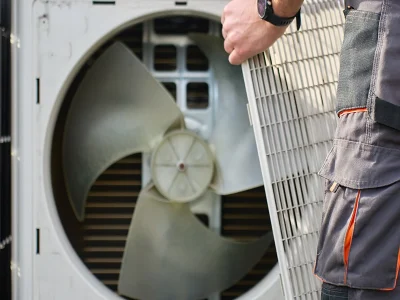
Air conditioners naturally make some noise while operating, but a sudden change in sound should not be ignored. Grinding, rattling, buzzing, clicking or banging can indicate that a component has become loose, worn or damaged. Continuing to operate the system may allow the underlying problem to become worse.
Pay attention to when the noise occurs and whether it is becoming louder or more frequent. Avoid attempting to dismantle the unit or repair internal components yourself. If the noise is severe or appears suddenly, switching the system off and arranging a professional inspection is a sensible precaution.
Your AC Keeps Switching On and Off
An air conditioner that repeatedly starts and stops may not be completing normal cooling cycles. This can affect indoor comfort and place additional strain on the equipment. Frequent cycling can have several possible causes, so identifying the underlying issue is more useful than repeatedly adjusting the thermostat.
Check whether the thermostat is positioned away from direct sunlight and other sources of heat. It is also worth checking the air filter for excessive dirt. If frequent cycling continues despite these basic checks, professional assessment can help determine whether airflow, electrical or system-related problems are involved.
Water Is Collecting Around the Unit
Some condensation is normal because an air conditioner removes moisture from indoor air. However, visible leaks, pools of water or persistent dampness around the indoor unit are not conditions that should be overlooked. They may indicate a blocked drain or another issue affecting the system’s ability to manage condensation.
Water left around an air conditioner can damage nearby walls, ceilings or flooring and may contribute to unwanted moisture problems. If there is significant leaking, particularly near electrical components, turn the system off and seek professional assistance. Prompt attention can help limit potential property damage.
Unpleasant Smells Are Coming From the Vents
Unusual smells coming from air vents can be another indication that the cooling system needs attention. A musty odour may be associated with excess moisture or contamination, while a burning smell could indicate an electrical or mechanical concern. Either way, a persistent or unusual smell should not simply be masked with air fresheners.
If you notice a strong burning odour, switch the system off and arrange a professional inspection rather than continuing to operate it. For less urgent smells, check the air filter and surrounding area for obvious sources. If the odour remains, a technician can inspect the system and identify the likely cause.
Energy Bills Have Increased Unexpectedly
A noticeable increase in energy consumption can sometimes indicate that an air conditioner is working harder than it should. Restricted airflow, dirty components or developing mechanical problems can affect efficiency and make the system run for longer periods. However, changes in weather, household usage and electricity rates should also be considered.
Compare recent energy use with previous periods while accounting for changes in cooling demand. If consumption has increased without an obvious explanation and the air conditioner is also showing other warning signs, arrange a professional inspection. Identifying problems early can help maintain reliable performance and avoid unnecessary strain.
Conclusion
Air conditioning problems rarely appear without any warning. Warm air, weak airflow, unusual noises, frequent cycling, water leaks, unpleasant smells and unexplained increases in energy use can all indicate that the system needs attention. Recognising these signs early gives homeowners an opportunity to address problems before they cause greater disruption.
Simple checks such as inspecting the filter, confirming thermostat settings and keeping vents unobstructed can resolve some basic issues. However, persistent or serious symptoms require professional attention. Timely maintenance and repairs can help preserve cooling performance, protect important components and keep the home comfortable when reliable air conditioning matters most.




Comments