
 By
By 
Cities grow not just with buildings but with layered expressions of living. Every structure reflects intention, emotion, and subtle narrative depth. Urban spaces transform through carefully balanced design languages that speak quietly yet powerfully. Architects of past and present, especially those behind Frank Lloyd Wright houses Chicago, showed how form could echo human emotion and cultural rhythm.
Designing Emotion Within City Spaces
Design becomes meaningful when it mirrors how people feel inside a space. The connection between interior detail and external view builds a living dialogue. Every shade, angle, and curve speaks to the human need for belonging. Sophisticated architecture often begins with understanding that invisible emotional pulse.
Visual Layers Defining Modern Interiors
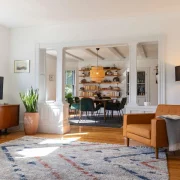
Modern interiors are layered conversations shaped by light, proportion, and material rhythm. Every section unfolds through careful contrast and subtle transitions. What we perceive as elegance often begins with restraint and intent.
- Neutral palettes highlighting tactile depth and warmth
- Shadows forming quiet moments of visual rest
- Clean geometry guiding emotional interpretation gently
- Refined textures bridging the old with the new
Through deliberate composition, these interiors invite people to pause, observe, and connect. The result is not just visual beauty but an internal sense of calm awareness.
Architectural Touchpoints Guiding Human Flow
When design anticipates movement, it creates gentle choreography. Paths, openings, and thresholds act like pauses between thoughts. Designers shape experience through balance and rhythm, guiding how people feel as they move.
- Transitional zones leading from public to private
- Transparent barriers maintaining openness and intimacy
- Horizontal lines suggesting stability and comfort
- Vertical emphasis revealing aspiration and height
Each spatial cue directs emotion rather than command behavior. The subtlety of these touchpoints defines the grace of modern architectural storytelling.
Can Urban Design Tell Personal Stories?
Absolutely, because architecture shapes memory more than most realize. When spaces hold personal resonance, they become extensions of self. A well-crafted apartment, terrace, or shared lobby can evoke genuine sentiment.
How Does Heritage Shape New Forms?
Cultural memory fuels modern structure with timeless depth and balance. Classic craftsmanship informs today’s sleek geometry, ensuring continuity amid reinvention. The enduring influence of Frank Lloyd Wright houses Chicago still whispers through many new designs. It reminds us that elegance doesn’t vanish—it evolves through human imagination.
Are Small Spaces Still Experiential?
Definitely, because scale never limits emotional connection or design integrity. Compact living areas often encourage creativity and intimacy. When every inch is intentional, experience expands beyond physical size.
Shaping Tomorrow’s Urban Chapters
Tomorrow’s cities will tell stories built on spatial empathy and human-scale beauty. Architecture will continue weaving personal narratives into collective experience. The most sophisticated spaces will remain those that make people feel understood—quietly, elegantly, and meaningfully.






Comments