
 By
By 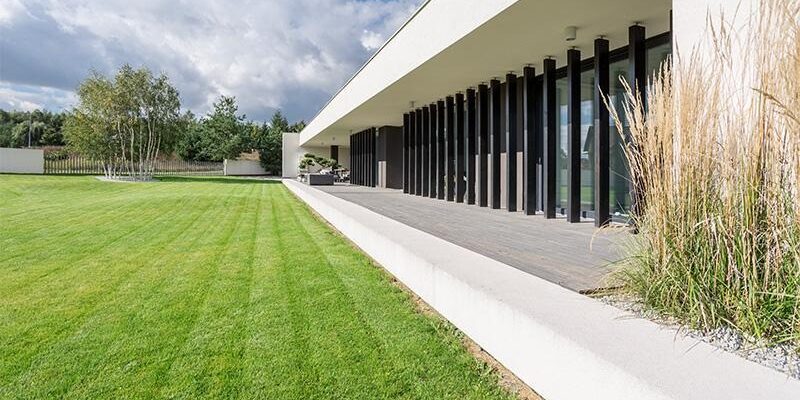
The design and build method is increasingly gaining traction in Singapore’s residential construction landscape, especially for landed house projects. This integrated approach involves a single entity managing the architectural design and construction process. For homeowners planning a landed house design, this model offers a streamlined process that eliminates the divide between the design and construction teams. It simplifies communication, improves project cohesion, and reduces the chances of discrepancies between plans and outcomes.
Ensuring Budget and Timeline Control
One of the most practical benefits of the design and build process is the ability to manage budgets and schedules more effectively. With all services under one contract, costs are consolidated and easier to track. Teams work together from the start, creating accurate cost projections and minimising the risk of price fluctuations midway through the project. The same applies to timelines. Coordinated scheduling between designers and builders helps to ensure smoother transitions between the planning, approval, and construction phases.
Enhancing Communication and Accountability
Traditional construction methods often involve multiple parties—architects, contractors, engineers—each with their contracts, schedules, and deliverables. This separation can cause delays or miscommunications. The design and build method eliminates this issue by creating a central point of accountability. All responsibilities fall under one umbrella, making coordination more straightforward and reducing the likelihood of disputes. This clarity of responsibility can lead to better decision-making and a more consistent project experience for the homeowner.
Aligning Design with Site-Specific Factors
Landed properties come with diverse site conditions, such as slope gradients, road access, and zoning restrictions. The design and build method provides an efficient way to respond to these variables. Since the same team is responsible for addressing both the visual design and the structural execution, there’s greater flexibility to adapt plans in real-time. Whether dealing with limited frontage or irregular plot shapes, this method allows the team to develop a Singapore landed house design that maximises the available space and meets local compliance requirements.
Promoting Practical and Functional Design Solutions
When designers and builders collaborate from the outset, they can create more realistic and buildable design concepts. The process encourages a stronger focus on practicality—ensuring ideas are not just aesthetically appealing but feasible in terms of materials, structure, and cost. For a Singapore landed house design, this can mean better use of natural lighting, improved ventilation flow, and sensible placement of utilities. It also allows design intentions to be executed accurately, as the team is familiar with construction constraints.
Adapting to Lifestyle and Layout Needs
Every family or homeowner has different needs for living space, and the design and build approach provides the flexibility to accommodate these. Whether it’s designing a multi-generational home, a compact layout for a small plot, or an open-plan layout to enhance space flow, this method ensures that lifestyle goals align closely with technical possibilities. The close coordination also makes it easier to adjust floor plans or material selections as the project evolves.
Responding Efficiently to Regulatory Requirements
Singapore’s building guidelines are strict, especially for landed housing projects. From setback requirements to height limits and drainage considerations, regulatory compliance is non-negotiable. Using a design and build team helps ensure that your landed house project adheres to these rules. With designers and builders working in unison, it becomes easier to prepare submission documents and respond quickly to authority feedback or site inspection adjustments.
Learn More: Design and Build Services: Everything You Need to Know
Supporting Sustainable Construction Practices
Sustainability has become a vital aspect of new residential builds. With the design and build method, sustainable features such as solar panels, rainwater harvesting, or passive cooling designs can be incorporated early in the planning stage and carried to execution. By aligning energy-efficient goals with constructible plans, this approach makes it easier to meet environmental targets while achieving long-term cost savings on utilities.
Reducing Post-Completion Issues
Because the same team carries the responsibility from design to final touches, the risk of miscommunication and errors is reduced significantly. This often results in fewer defects or issues requiring rectification post-completion. The integration of processes allows for greater attention to detail during construction, leading to higher build quality and better long-term satisfaction.
Building with Confidence
Choosing the design and build method for a Singapore landed house design offers a well-rounded solution for those seeking clarity, efficiency, and cohesion in their construction journey. With a single team guiding the project from start to finish, homeowners can experience a more structured and transparent path toward building their dream home.
For more information about construction builder solutions, contact Sim The Builder today.




Comments