
 By
By 
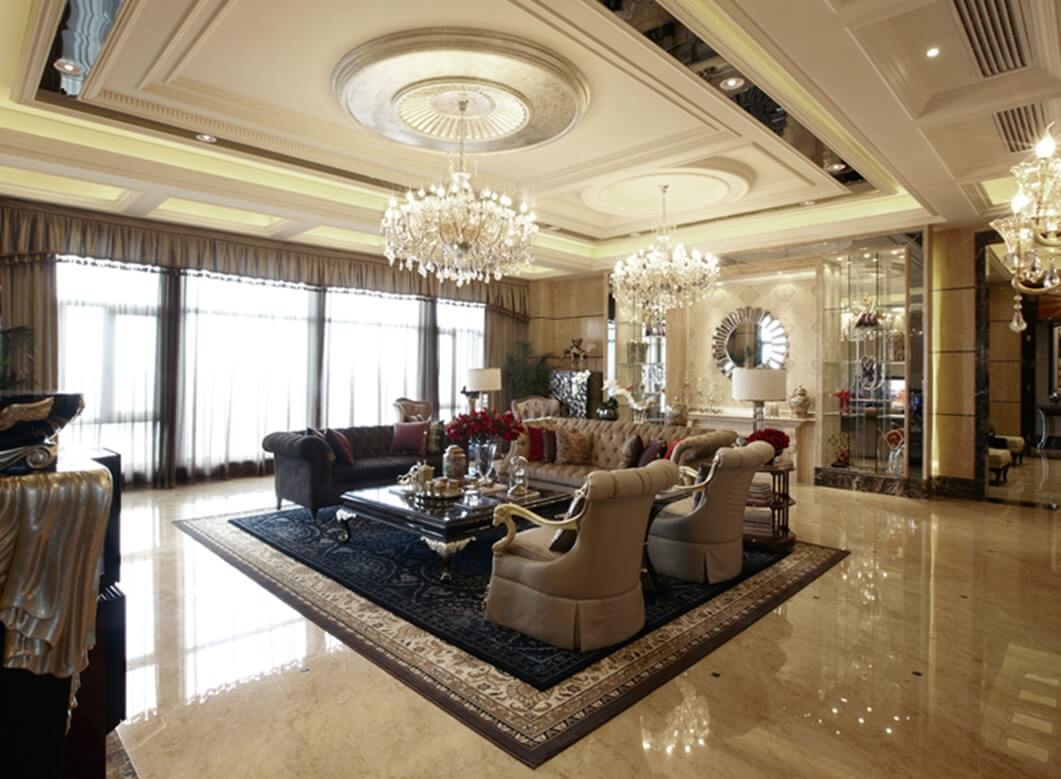
Textiles play a critical role in the realm of interior design, particularly in creating luxurious and high-end spaces. The right fabrics can elevate a room, adding texture, color, and a sense of opulence. This guide explores how to select the best fabrics for high-end interiors, including advanced insights and lesser-known tips to ensure your home exudes sophistication and comfort.
1. Understanding fabric types
Different fabrics bring different qualities to a space. Understanding the characteristics of various textiles can help you make informed choices.
Silk
Characteristics:
Luxurious texture: smooth, soft, and elegant.
Sheen: natural shine that enhances the richness of colors.
Strength: strong yet lightweight.
Uses:
Drapes: adds elegance to windows.
Upholstery: ideal for accent chairs and cushions.
Bedding: creates a sumptuous feel in bedrooms.
Statistical insight: according to a report by the international silk association, silk remains one of the most sought-after luxury textiles, with demand growing by 15% annually.
Velvet
Characteristics:
Softness: plush and inviting texture.
Depth: richness in color due to its pile construction.
Durability: strong and durable, especially in synthetic blends.
Uses:
Sofas and armchairs: adds a touch of luxury to seating.
Curtains: provides a dramatic, elegant look.
Cushions: offers comfort and style in living areas.
Linen
Characteristics:
Breathability: natural and breathable, ideal for warmer climates.
Texture: crisp yet softens over time.
Eco-friendly: sustainable and biodegradable.
Uses:
Upholstery: great for casual, elegant seating.
Drapes: adds a light, airy feel to windows.
Bedding: perfect for a relaxed, luxurious bed.
Statistical insight: the global linen market report indicates that demand for linen in high-end interiors has increased by 20% over the past five years.
Cashmere
Characteristics:
Softness: extremely soft and luxurious.
Warmth: provides exceptional warmth without bulk.
Elegance: conveys a sense of opulence and comfort.
Uses:
Throws and blankets: adds luxury to sofas and beds.
Pillows: enhances comfort and style in living areas.
Upholstery: ideal for accent pieces in luxurious settings.
Statistical insight: according to the cashmere and camel hair manufacturers institute, cashmere products see an annual growth rate of 12% in the luxury market.
2. Choosing the right fabrics for different spaces
Selecting the right fabric for each room in your home depends on the room’s function, the desired ambiance, and practical considerations.
Living room
Best fabrics:
Velvet: for sofas and armchairs, offering both luxury and durability.
Silk: for curtains and accent pillows, adding a touch of elegance.
Linen: for lighter, more casual seating and drapery.
Tips:
Balance: mix different textures to create depth and interest.
Durability: consider blends with synthetic fibers for added durability, especially in high-traffic areas.
Statistical insight: a study by the home decor research institute found that 40% of luxury homeowners prioritize durability and aesthetic appeal equally when choosing fabrics for the living room.
Bedroom
Best fabrics:
Silk: for bedding and curtains, creating a luxurious and restful environment.
Cashmere: for throws and blankets, adding warmth and softness.
Linen: for sheets and pillowcases, offering comfort and breathability.
Tips:
Comfort: prioritize comfort and softness, especially for bedding.
Cohesion: ensure that fabric choices complement the overall bedroom color scheme and decor.
Statistical insight: according to a survey by sleep foundation, 35% of respondents said that high-quality bedding significantly improves their sleep quality.
Dining room
Best fabrics:
Velvet: for dining chairs, adding a rich, elegant touch.
Linen: for tablecloths and napkins, providing a sophisticated yet practical choice.
Silk: for decorative runners and placemats.
Tips:
Maintenance: choose fabrics that are easy to clean and maintain, especially for dining areas.
Elegance: incorporate luxurious textiles in small accents if full upholstery seems impractical.
Statistical insight: the national association of home builders (nahb) found that 25% of luxury homeowners use high-end textiles to enhance the dining experience.
3. Advanced insights and tips
1. Layering textures
Layering different textures can create a rich, inviting space. Combine soft, plush fabrics with smoother, more refined materials to add depth and interest.
Key tips:
Mix and match: pair velvet with silk or linen to create a balanced look.
Contrast: use contrasting textures to highlight specific areas or pieces of furniture.
Statistical insight: interior design magazine reports that 60% of top designers use texture layering as a key strategy in luxury interiors.
2. Customization
Custom-made textiles and upholstery can elevate a room’s design, ensuring that every piece fits perfectly and aligns with the desired aesthetic.
Key tips:
Bespoke options: consider custom upholstery, tailored curtains, and personalized bedding.
Unique patterns: use custom prints and patterns to add a unique touch to your interiors.
Statistical insight: according to the custom made design report, customized textiles and upholstery can increase the perceived value of a home by up to 20%.
3. Sustainable choices
Sustainability is a growing concern in luxury design. Opt for eco-friendly fabrics that offer both elegance and environmental benefits.
Key tips:
Organic materials: choose organic cotton, bamboo, and hemp for a luxurious yet sustainable option.
Certifications: look for certifications like oeko-tex and gots to ensure eco-friendliness.
Statistical insight: the sustainable furnishings council reports a 30% increase in demand for sustainable luxury textiles over the past decade.
4. Maintenance and care
Proper care is essential to maintaining the beauty and longevity of luxurious textiles.
Key tips:
Cleaning: follow manufacturer guidelines for cleaning and maintenance.
Protection: use fabric protectors to guard against stains and wear.
Statistical insight: the fabric care institute states that proper maintenance can extend the life of luxury fabrics by up to 50%.
Conclusion
Selecting the best fabrics for high-end interiors involves a thoughtful blend of aesthetics, functionality, and personal preference. By understanding the unique qualities of different textiles like silk, velvet, linen, and cashmere, you can make informed choices that elevate your home’s elegance and comfort. Advanced strategies such as layering textures, customizing upholstery, and choosing sustainable options further enhance the luxurious feel of your space. With careful selection and proper maintenance, luxurious textiles can transform any interior into a sophisticated sanctuary.






Comments